Introduction
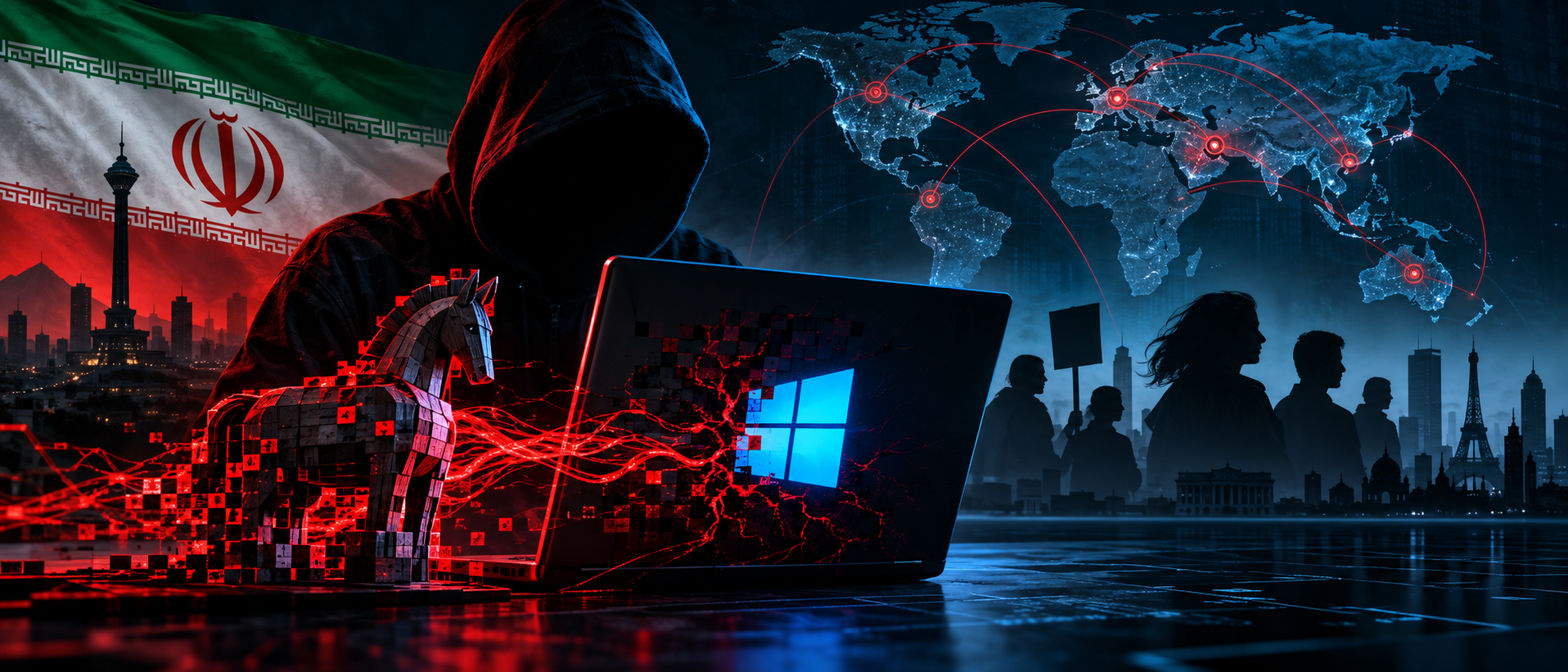
Recent government advisories have highlighted a new surveillance campaign targeting political dissidents, human‑rights activists, and journalists across multiple continents. The campaign leverages a Windows‑only malware family dubbed CHOSEN BRICK. While public technical details remain scarce, the confirmed involvement of Iranian state‑linked actors raises the stakes for any organization or individual that could be a potential target.
What Happened
Authorities disclosed that a coordinated group tied to the Iranian government has begun distributing CHOSEN BRICK to compromise Windows systems belonging to outspoken critics of Tehran’s policies. The malware’s primary function appears to be covert data collection, enabling operators to monitor communications, capture files, and potentially exfiltrate sensitive material. The campaign is not limited to a single geography; victims have been identified in Europe, the Americas, and the Middle East.
Technical Details
CHOSED BRICK is confirmed to run exclusively on Microsoft Windows platforms. Beyond that, open‑source intelligence has not released a full binary analysis, so the exact persistence mechanisms, command‑and‑control (C2) protocols, or encryption schemes remain undocumented. However, typical Windows‑based espionage tools employ one or more of the following techniques:
- Registry modifications to achieve persistence after reboot.
- Scheduled tasks or service creation that grant the malware elevated execution rights.
- Code injection into legitimate processes to evade behavioral detection.
- Encrypted outbound traffic that blends with normal web traffic, complicating network‑level inspection.
Given the targeting of high‑profile individuals, it is reasonable to assume the developers have incorporated anti‑analysis features such as debugger checks or sandbox evasion. The absence of a CVE identifier suggests the threat does not rely on a publicly disclosed software flaw but rather on social‑engineering or compromised supply‑chain vectors to gain initial foothold.
Who Is Affected
The advisory explicitly lists three victim categories:
- Political dissidents who oppose the Iranian regime.
- Human‑rights activists operating in or reporting on Iran‑related issues.
- Journalists covering topics sensitive to the Iranian government.
All three groups share a common reliance on Windows‑based workstations for document creation, email, and secure communications. Consequently, any individual or organization providing technical support, hosting services, or communication channels to these actors could inadvertently become a conduit for the malware.
Why It Matters
State‑linked espionage campaigns differ from financially motivated attacks in several key ways. First, the objective is intelligence collection rather than direct monetary gain, meaning the attackers are willing to invest significant resources to maintain long‑term access. Second, the presence of a dedicated surveillance tool indicates a strategic intent to monitor dissenting voices, potentially influencing public discourse and policy.
For enterprises, the risk extends beyond the immediate victims. A compromised activist’s laptop could be used to infiltrate partner networks, exfiltrate proprietary data, or launch lateral moves against unrelated systems. Moreover, the public perception damage of being associated with a state‑sponsored surveillance operation can erode stakeholder trust.
Exploitation/Attack Information
The exploitation status is listed as reported, confirming that CHOSEN BRICK has been observed in active deployments. Government agencies have issued warnings based on forensic evidence collected from compromised machines. While the exact infection chain has not been disclosed, typical entry points for similar tools include:
- Phishing emails containing malicious attachments or links.
- Compromised legitimate software updates delivered through a trusted supply chain.
- Remote desktop protocol (RDP) brute‑force attacks that grant attackers direct system access.
Each vector aligns with the broader pattern of state‑level actors leveraging both technical and human weaknesses to achieve footholds.
Recommended Actions
Organizations supporting at‑risk individuals should adopt a layered defense strategy:
- Patch Management – Ensure all Windows endpoints run the latest security updates. Even if CHOSEN BRICK does not exploit a known vulnerability, reducing the attack surface limits opportunistic entry.
- Endpoint Detection and Response (EDR) – Deploy solutions capable of behavioral monitoring to flag anomalous process injection, registry changes, or unusual network traffic.
- Network Segmentation – Isolate high‑risk workstations from critical infrastructure. Use firewalls to restrict outbound connections to known, reputable destinations.
- Multi‑Factor Authentication (MFA) – Enforce MFA on all privileged accounts and remote access services such as RDP and VPN.
- User Training – Conduct targeted phishing awareness campaigns for activists, journalists, and their support staff, emphasizing the dangers of unsolicited attachments and links.
- Incident Response Planning – Maintain a playbook that includes forensic collection of Windows logs, memory dumps, and network traffic should a compromise be suspected.
- Threat Intelligence Feeds – Subscribe to reputable sources that track Iranian state‑linked activity to receive timely indicators of compromise (IOCs) related to CHOSEN BRICK.
Implementing these measures does not guarantee immunity, but it raises the cost of successful intrusion and improves detection speed.
Conclusion
The emergence of CHOSEN BRICK underscores a persistent trend: nation‑state actors continue to develop bespoke malware for the explicit purpose of silencing dissent. While the public technical dossier on the strain is limited, the confirmed involvement of Iranian state‑linked hackers and the targeting of globally dispersed activists and journalists demand immediate attention.
Stakeholders must treat the advisory as a call to reinforce Windows security hygiene, elevate monitoring capabilities, and provide tailored training for high‑risk user groups. Proactive defenses will not only protect individual targets but also safeguard the broader ecosystem from being leveraged as a surveillance platform.
Sources
- BleepingComputer: https://www.bleepingcomputer.com/news/security/iranian-hackers-use-chosen-brick-windows-malware-to-spy-on-targets/